
Wildlife Safaris in Rwanda – Discover Akagera National Park’s Big Five & Wetland Wonders
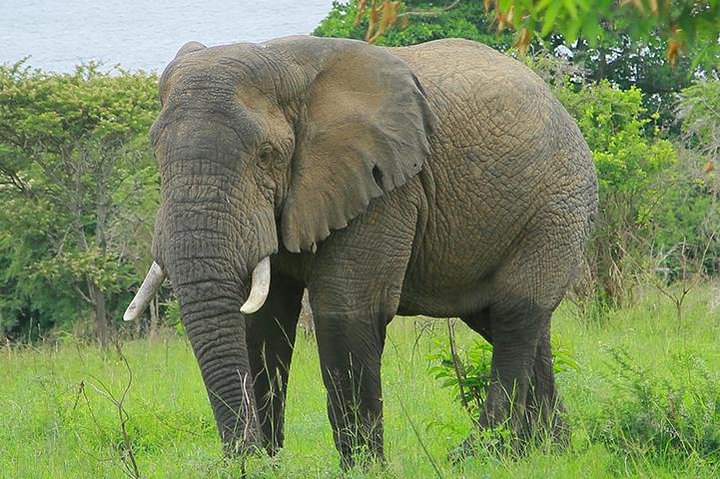
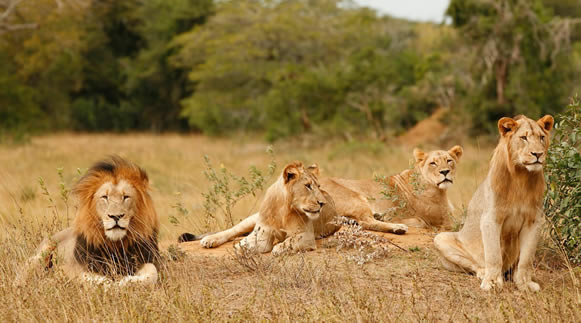
Embark on an unforgettable Rwanda wildlife safari with our expertly curated experiences in Akagera National Park, the country’s premier savannah and wetland sanctuary. Located in the northeast along the Tanzanian border, Akagera offers a classic African safari experience, home to the Big Five (lion, leopard, elephant, buffalo, and rhino) and a stunning diversity of plains game. This 1,122 sq km park, named after the Akagera River, features a breathtaking mosaic of forest-fringed lakes, papyrus swamps, savannah plains, and rolling highlands, making it one of the most scenic reserves in Africa. Our wildlife safaris include thrilling game drives in search of elephants, buffalo, topi, zebra, and antelope, as well as serene boat trips on Lake Ihema to observe hippos, crocodiles, and the rare shoebill stork. With nearly 500 bird species, Akagera is also a birder’s paradise. Combine your wildlife adventure with gorilla trekking in Volcanoes National Park or chimpanzee tracking in Nyungwe Forest for the ultimate Rwanda safari experience. Book your Akagera wildlife safari today and discover the wild heart of the “Land of a Thousand Hills.”
We offer good value travel plans for tourists visiting Rwanda.
Get unique experiences not found anywhere else.
Itinerary tours and trips customized to meet your needs.



Frequently Asked Questions — Wildlife Safaris in Rwanda
What wildlife can I see on a safari in Akagera National Park?
Akagera National Park is home to the Big Five (lion, leopard, elephant, buffalo, and rhino) as well as a wide variety of plains game including topi, zebra, waterbuck, roan antelope, eland, impala, and bushbuck. Primates like olive baboons and vervet monkeys are also common, and the park is a haven for birdwatchers with nearly 500 species.
What is the best time for a wildlife safari in Akagera?
The best time for wildlife viewing in Akagera is during the dry seasons from June to September and December to February, when animals gather around water sources and vegetation is less dense. However, the park is open year-round, with the rainy seasons offering lush green landscapes and excellent birding opportunities.
What activities are included in a wildlife safari?
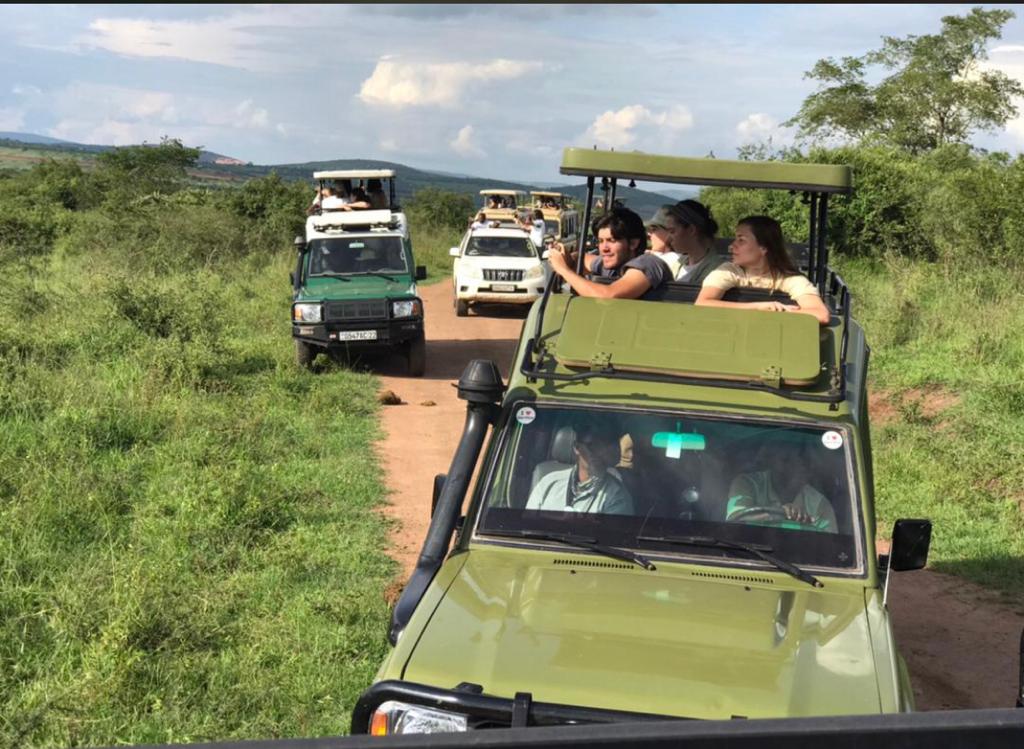
Our wildlife safaris typically include guided game drives in open 4×4 vehicles, boat trips on Lake Ihema to see hippos, crocodiles, and waterbirds, and nature walks. Night game drives can also be arranged to spot nocturnal species like bushbabies and leopards.
Can I combine a wildlife safari with gorilla trekking?
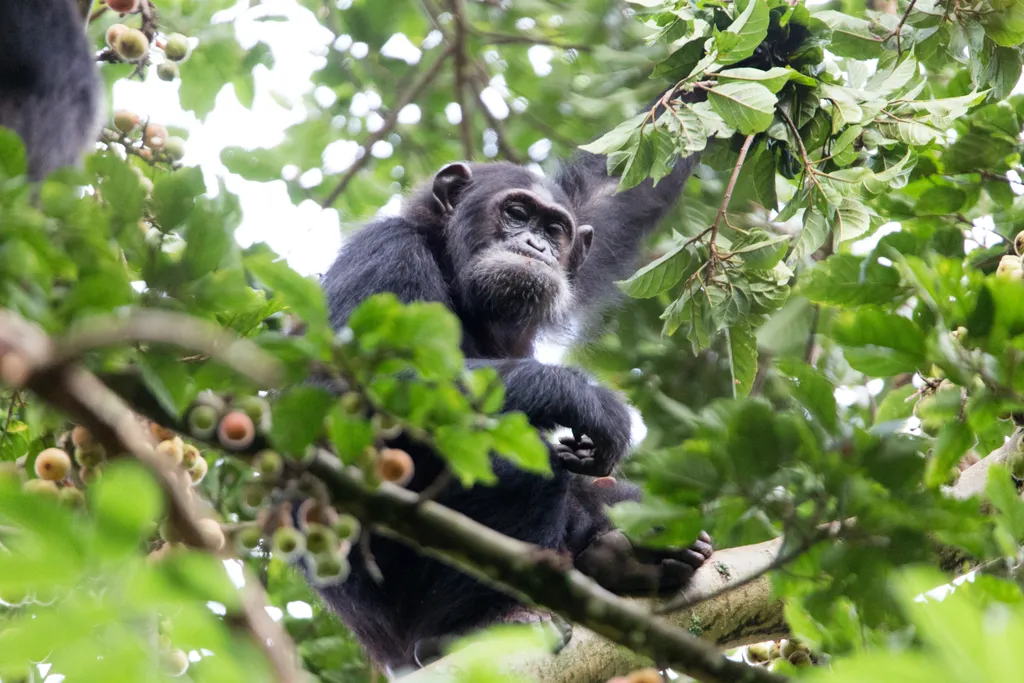
Yes. Akagera National Park combines perfectly with gorilla trekking in Volcanoes National Park and chimpanzee tracking in Nyungwe Forest. We offer customized itineraries from 3 to 14 days that include a mix of wildlife, primates, and cultural experiences.
Is Akagera National Park safe for visitors?
Yes, Akagera National Park is very safe for visitors. All safaris are led by experienced guides and armed rangers, and strict safety protocols are followed. The park has a well-established infrastructure and is jointly managed by African Parks, ensuring high conservation and security standards.
What should I pack for a wildlife safari?
Pack lightweight, neutral-colored clothing (avoid bright colors), sturdy closed-toe shoes, a hat, sunglasses, sunscreen, insect repellent, binoculars, and a camera with a zoom lens. Evenings can be cool, so a light jacket or fleece is recommended.
How much does a wildlife safari in Akagera cost?
Costs vary based on the itinerary length, accommodation choice, group size, and season. Park entry fees for foreign visitors are $50 per person per day. Game drives, boat trips, and other activities are additional. Contact us for a personalized quote based on your preferences.
What makes Akagera National Park special for birding?
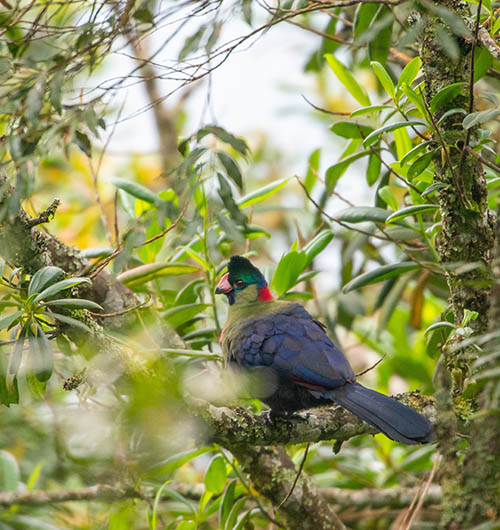
Akagera is a premier birding destination with nearly 500 recorded species. It is home to the rare and elusive shoebill stork, the near-threatened papyrus gonolek, and the endemic red-faced barbet. The park’s diverse habitats, from papyrus swamps to savannah, support a vast array of waterfowl and savanna species.
