

Visit Rwanda: Your Step-by-Step Guide to the Land of a Thousand Hills
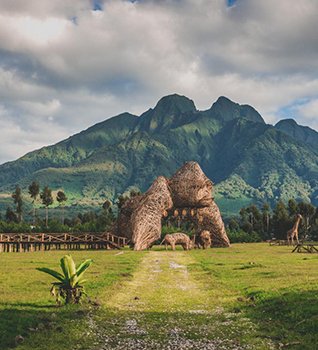
Rwanda is small, safe to travel and surprisingly easy to enter. In a single trip you can meet wild mountain gorillas, spot lions and elephants on a game drive, walk through ancient rainforest and relax beside a lake. This guide walks you through how to visit Rwanda, from the first idea to landing in Kigali.
Step 1: Decide when to go
Rwanda is visitable all year. The drier months, roughly June to September and December to February, usually make hiking and wildlife viewing easier, with firmer trails. The rainy seasons bring lush scenery and fewer crowds, but muddier forest paths. Pack a rain jacket whenever you go, because mountain weather changes quickly.
Book early if you want to trek gorillas in the dry months. Daily permits are limited.
Step 2: Choose what you want to do
Most visitors build a trip around a few highlights:
- Mountain gorilla trekking in Volcanoes National Park, the headline experience. See our gorilla trekking guide.
- Golden monkey tracking in the same park, a good alternative for younger travelers.
- Chimpanzee trekking and the canopy walk in Nyungwe National Park.
- Big game and boat safaris in Akagera National Park.
- City and culture in Kigali, including the Genocide Memorial, craft markets and coffee.
- Lake Kivu for kayaking, boat trips and relaxing on the shore.
- Hiking and ziplining on Mount Kigali.
A trip of five to seven days lets you combine Kigali, gorillas and one other park comfortably. Longer itineraries add Nyungwe and Lake Kivu without rushing.
Step 3: Check your passport and visa
Your passport should be valid for at least six months from the day you enter Rwanda.
According to Rwanda’s official immigration and tourism information:
- Visa on arrival for all nationalities. Since January 2018, citizens of all countries can get a visa on arrival at Kigali International Airport and the land borders, without applying in advance.
- Standard fees. A 30-day single-entry visa costs USD 50, and a 90-day multiple-entry visa costs USD 70.
- Free 30-day visas apply to citizens of African Union, Commonwealth and La Francophonie member countries.
- East African Community citizens can receive a free pass for a stay of up to six months.
- 90-day free visas are available to nationals of a list of specific countries, including Angola, Ghana, Singapore, Qatar and Indonesia, among others.
- Apply online if you prefer. You can apply in advance through the government’s Irembo portal and choose to pay online or on arrival. Allow several working days for processing.
- Regional option. The East Africa Tourist Visa is reported to cost around USD 100 and covers Rwanda, Kenya and Uganda, which suits travelers combining countries.
Visa rules and fees can change, so confirm on the Directorate General of Immigration and Emigration website or Visit Rwanda before you fly.
Step 4: Sort out health requirements
- Yellow fever certificate. Rwanda requires one if you arrive from, or have recently visited, a country with yellow fever transmission risk. Direct flights from non-risk countries generally don’t need one, but your route matters, especially if you connect through East Africa. If in doubt, carry the certificate. Get vaccinated at least ten days before travel.
- See a travel clinic a few weeks before your trip for advice on malaria prevention and routine vaccinations.
- Buy travel insurance that covers trekking and medical evacuation.
Step 5: Book your gorilla permit and trip
Gorilla permits are limited daily, so lock in the permit date before booking anything non-refundable. The permit for international visitors is USD 1,500 per person. A licensed operator can arrange the permit, lodging and transfers for you. Explore our safari packages, from 1-day tours to 14-day itineraries, all of which can be customized.
Step 6: Book flights to Kigali
Most international visitors fly into Kigali International Airport. RwandAir is the national carrier, and airlines such as Brussels Airlines, KLM, Turkish Airlines, Qatar Airways, Ethiopian Airlines and Kenya Airways connect Kigali to Europe, the Middle East and the rest of Africa. We can also help with air tickets and arrange your airport transfer so a driver meets you on arrival.
Overland, you can also enter through land borders with Uganda, Tanzania, Burundi and the DR Congo. Combining Rwanda and Uganda is popular with gorilla travelers.
Step 7: Plan your money, packing and connectivity
- Currency. The Rwandan franc (RWF). Cards work in Kigali hotels, restaurants and most lodges, but Rwanda is still largely cash-based, and not all venues outside the capital accept cards. Carry some francs for small purchases, tips and markets. Mobile money is widely used locally.
- Plastic bags. Rwanda has a strict ban on plastic bags. Avoid packing them in your luggage, and expect them to be confiscated at the border.
- Clothing. Bring layers, a waterproof jacket, sturdy hiking boots and a sun hat. Kigali is mild, but the volcano forests are cool and wet.
- Gear. A camera without flash, binoculars, a power bank and insect repellent.
Step 8: Know the safety basics
Rwanda is generally regarded as one of the safest and cleanest countries in Africa, and the major tourist areas are well organized. As with any trip, check your own government’s current travel advice before you go. Some governments currently advise against travel to areas close to the border with the DR Congo, including the Rubavu district and the town of Gisenyi, because of the security situation across the border. Gorilla trekking in Volcanoes National Park, Kigali, Akagera and Nyungwe remain standard tourist destinations, but confirm the latest guidance with your embassy and your tour operator.
Sample itinerary: 5 days in Rwanda
- Day 1: Arrive in Kigali, transfer to your hotel, relax.
- Day 2: Kigali city tour and Genocide Memorial visit.
- Day 3: Drive to Volcanoes National Park and settle in.
- Day 4: Gorilla trekking, followed by a rest or cultural visit.
- Day 5: Return to Kigali for your flight.
For more options, browse our 5-day and 7-day packages.
Frequently asked questions
Do I need a visa to visit Rwanda?
Most visitors do, but all nationalities can get one on arrival. Citizens of the African Union, Commonwealth and La Francophonie get a free 30-day visa, and some other countries qualify for free 90-day visas.
How much is a Rwanda tourist visa?
USD 50 for a 30-day single-entry visa, and USD 70 for a 90-day multiple-entry visa, for visitors who are not fee-exempt.
Can I apply for a Rwanda visa online?
Yes, through the Irembo portal. You can pay online or on arrival.
Do I need a yellow fever vaccination to enter Rwanda?
You need a certificate if you arrive from a country with yellow fever transmission risk. Check your route and carry the certificate if in doubt.
What currency should I use in Rwanda?
The Rwandan franc for everyday spending. Safari costs and permits are often quoted in US dollars.
How many days do I need to visit Rwanda?
Five to seven days covers Kigali, gorilla trekking and one other highlight. Add more days for Akagera, Nyungwe and Lake Kivu.
Is Rwanda safe for tourists?
Rwanda is generally considered safe and well organized for visitors. Check your government’s travel advice and avoid areas it advises against.
Ready to visit Rwanda?
Let us handle permits, transfers, guides and lodging so you can simply enjoy the journey. Contact Rwagasabo Safaris to plan a custom Rwanda itinerary.