
Gorilla Trekking in Rwanda: One Hour That Will Change You
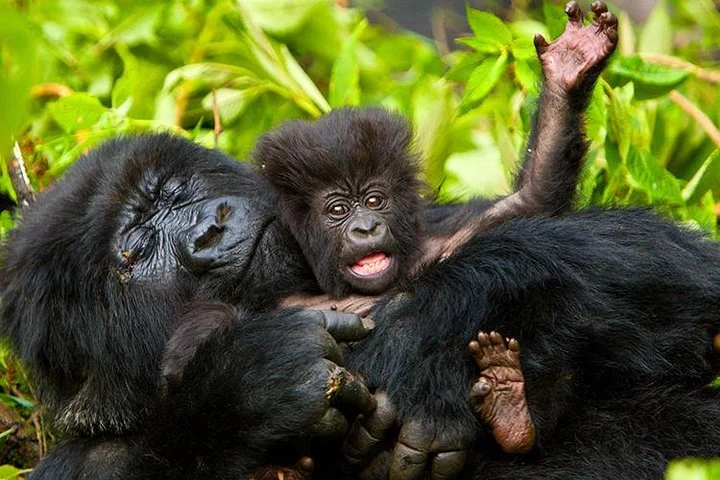
Meeting a wild mountain gorilla family is one of the most memorable wildlife experiences anywhere. In Rwanda, it happens in Volcanoes National Park, in the misty Virunga mountains, and you can reach it from the capital in a few hours. This guide covers permits, costs, rules, fitness, the best time to go and how to plan the trip.
What is gorilla trekking in Rwanda?
Gorilla trekking means hiking with a park ranger and a small group through bamboo forest and volcanic slopes until you find a habituated gorilla family. Habituated means the gorillas have been gradually accustomed to human presence by trained trackers. Once you find them, you spend a limited time observing them in their natural habitat.
Mountain gorillas live only in the Virunga Massif (which spans Rwanda, Uganda and the DR Congo) and in Uganda’s Bwindi Impenetrable National Park. Rwanda’s trekking takes place in Volcanoes National Park in the north-west of the country.
Why Rwanda?
- Easy access. Volcanoes National Park is roughly a two to three hour drive from Kigali, so you can fly in and trek within a day or two.
- A conservation success story. The mountain gorilla was reclassified from Critically Endangered to Endangered by the IUCN in 2018. The wild population is estimated at about 1,063 animals, including roughly 604 in the Virunga Massif, according to the last census figures. Endangered is still a serious status, which is why tourism is tightly regulated.
- Strict, small-group tourism. Visitor numbers are limited so the gorillas are disturbed as little as possible.
- Well organized. Permits, rangers and park briefings are run through the Rwanda Development Board (RDB).
How much does a gorilla trekking permit cost in Rwanda?
The standard permit for international visitors is USD 1,500 per person per trek, issued by the Rwanda Development Board. Multiple operators report that the price has been held steady in recent years. The permit generally covers:
- Entry to Volcanoes National Park
- Assignment to a habituated gorilla family
- A ranger-guided trek
- Time with the gorillas
It does not cover accommodation, transport, meals, tips or travel insurance. Discounted rates exist for Rwandan nationals and certain East African or Africa-resident visitors, but eligibility and pricing can change, so confirm with RDB or your operator.
A full trip costs more than the permit alone. Your total depends on your lodge tier, transfers, trip length and extra activities.
How many people trek, and for how long?
Groups are limited to eight visitors per gorilla family per day. The time you spend with the gorillas is regulated, and the standard permit allows about one hour in their presence. The hike to reach them varies depending on where the family moved overnight. Operators describe treks ranging from under two hours to most of a day, so be ready for either.
Age limit and fitness
The minimum age is 15 years, and it is enforced at the park. Younger family members can do other activities in the same area, such as golden monkey tracking, cultural visits or Lake Kivu excursions.
You don’t need to be an athlete, but you should be comfortable hiking on steep, muddy terrain at altitude. Rangers can often match groups to families that suit their fitness level, so tell your operator in advance about any mobility concerns.
Rules to follow when you meet the gorillas
Rules protect both you and the animals. The key ones:
- Keep your distance. Stay around seven metres (about 23 feet) from the gorillas. If they approach you, move back calmly.
- Keep your voice low and avoid sudden movements.
- No flash photography.
- Don’t trek if you’re ill. Gorillas are susceptible to human respiratory infections, so tell your guide if you feel unwell.
- Don’t leave rubbish in the park.
- Follow your ranger’s instructions at all times.
Best time for gorilla trekking in Rwanda
Trekking runs all year. The drier months (roughly June to September, plus December to February) generally mean easier, less muddy trails. The rainy seasons make the paths slipperier, but the forest is lush and trekking still happens. Whenever you go, pack for rain, because mountain weather is unpredictable.
Book early. Permits are limited each day and demand is strongest in the dry months. Securing your permit before booking flights is a good habit.
What to pack
- Sturdy waterproof hiking boots
- Long trousers and long-sleeved shirt (for nettles and insects)
- A lightweight waterproof jacket
- Gardening-style gloves for gripping vegetation
- Hat, sunscreen and insect repellent
- Water and a light snack
- Camera without flash, and a daypack
- Optional: a walking stick (often provided at the start) and porters (a good way to support local livelihoods)
How to book your gorilla trek
You can book a permit through RDB or via a licensed tour operator, usually as part of a package. An operator handles the permit, transfers, lodging and logistics, and can combine the trek with other highlights such as Akagera, Nyungwe, Lake Kivu and Kigali.
At Rwagasabo Safaris, we offer options from a 1-day gorilla trekking tour to a 2-day gorilla trek, as well as longer itineraries such as the 5-day gorilla trek and Mt Bisoke hike and the 6-day gorilla and adventure tour. You can also explore our full gorilla trekking page.
Add more to your trip
Pair your trek with:
- Golden monkey tracking in the same park
- A hike up Mt Bisoke for crater-lake views
- Chimpanzee trekking in Nyungwe National Park
- A game drive in Akagera National Park
- A Kigali city tour and a visit to the Genocide Memorial
- Lake Kivu for kayaking and relaxing
Frequently asked questions
How much is a gorilla permit in Rwanda?
The standard permit for international visitors is USD 1,500 per person, issued by RDB.
What is the minimum age for gorilla trekking in Rwanda?
15 years.
How many people can trek to one gorilla family?
A maximum of eight visitors per family per day.
How long do you spend with the gorillas?
The standard permit allows about one hour with the family.
How far is Volcanoes National Park from Kigali?
Roughly two to three hours by road.
Is gorilla trekking safe?
The gorillas are habituated and calm around humans, and experienced rangers lead every group. Following the rules and keeping your distance keeps the risk low.
What is the best time to go gorilla trekking in Rwanda?
The drier months, roughly June to September and December to February, tend to have easier trails. Trekking is possible year-round.
Can I trek if I’m not very fit?
Often yes. Tell your operator about your fitness level so rangers can assign a suitable family and route.
Ready to meet the gorillas?
Booking directly with a local operator keeps more of your money in Rwanda and supports community conservation work. Contact Rwagasabo Safaris to check permit availability and plan a custom itinerary.